
The Harbor’s Edge: Dining, Docking, and Discovery
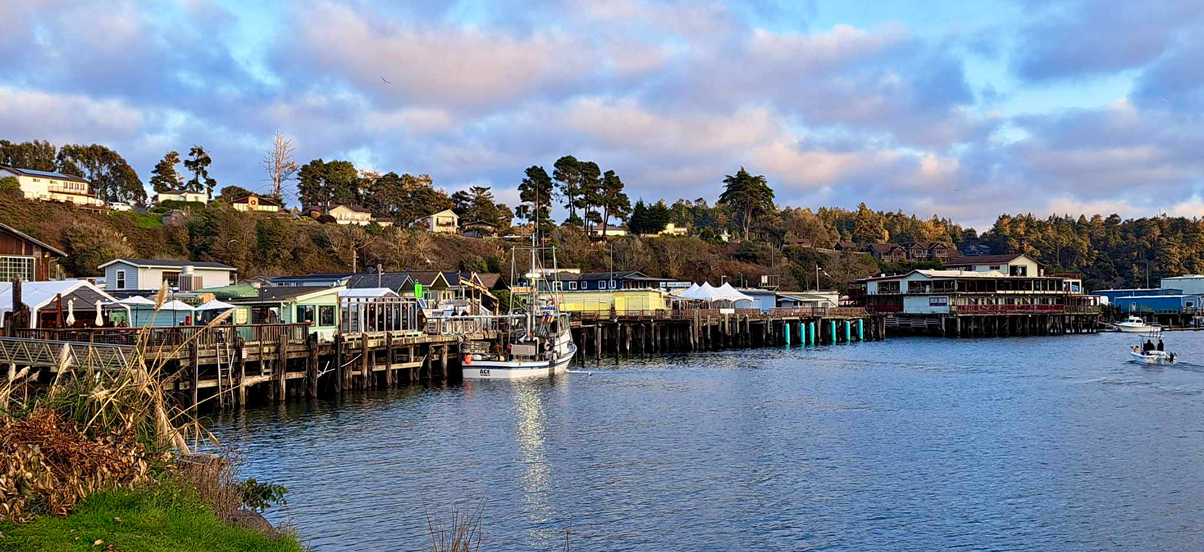
Noyo Harbor is located just one mile south of downtown Fort Bragg off Highway 1 along the spectacular California North Coast.
Noyo Harbor is a rugged, authentic cornerstone of the Mendocino Coast where the river meets the ocean in a dramatic display of maritime life. Its history is etched into the sea-worn docks and the historic charm of the waterfront, serving as a gateway to both the redwood forests and the rocky coast bordered by the Pacific. The beauty of the harbor lies in its raw, immersive atmosphere, propelled by the people who keep this the last working harbor between San Francisco and Eureka.
What sets the Noyo Harbor experience apart is its dedication to providing a genuine coastal encounter rather than a standardized tourist stop. Every visit offers a unique perspective, whether kayaking the Noyo River, enjoying local art, or sampling the Coast’s only distillery each defines the area’s spirit. By prioritizing quality and an unparalleled level of customer service, the harbor remains a restorative destination that stays relevant to the modern traveler while honoring its deep roots in the Mendocino community.
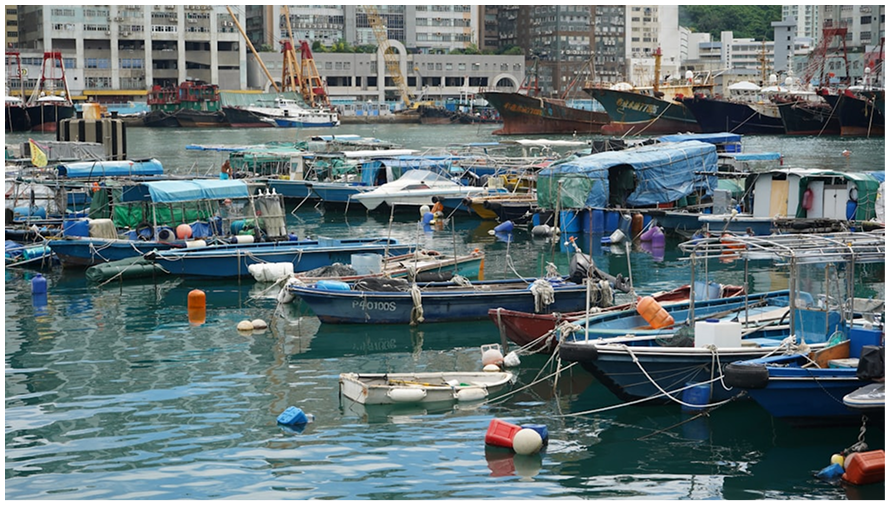
Noyo Harbor is not a tourist destination. It is a working harbor on the northern California coast, home to commercial fishing vessels, fish processing facilities, and the people who depend on them.
The harbor sits where the Noyo River meets the Pacific. Fog is common. Winter storms close the bar. The landscape is dramatic, but not in a way that invites leisure.
The people who work here fishermen, processors, dock workers are part of an economy that predates the tech sector, the service economy, and the modern California myth.
To visit Noyo Harbor is to witness something that persists despite economic pressure, climate change, and policy failures. It is grounding in the most literal sense.
The people who work here fishermen, processors, dock workers are part of an economy that predates the tech sector, the service economy, and the modern California myth.
To visit Noyo Harbor is to witness something that persists despite economic pressure, climate change, and policy failures. It is grounding in the most literal sense.
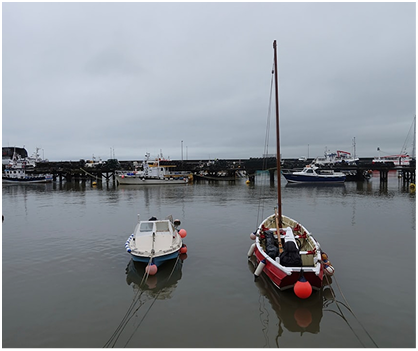
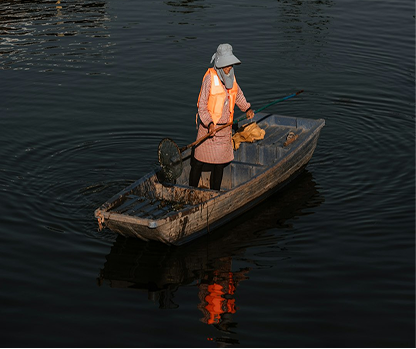
Noyo Harbor is located in Fort Bragg, California, on the Mendocino Coast. Highway 1 runs north from San Francisco. The drive takes approximately three hours.
There is no entrance fee. There are no designated viewing areas. Park near the harbor and walk. Respect working areas. Watch for trucks.
The best time to visit is early morning, when boats are preparing to leave or returning with catch. Fog is common. Dress warmly.
This is not a scenic viewpoint. It is a working harbor. If you come, come to see labor, not landscape. Come to witness an economy that persists.
Noyo Harbor has never been just a harbor. It has been a classroom, a workplace, a playground, and for many, a proving ground where tides taught lessons faster than any school bell. Its story survives not only in photographs and ledgers, but in the muscle memory of those who grew up with fish scales on their boots and salt stitched into their pockets.
The Early Days
Our story comes alive through the memories of a local historian born in 1955, who quite literally grew up in the park. As a boy, he cleaned fish, ran errands, and took on odd jobs around the harbor, earning what he remembers as “real good money” for a kid. Harbor children moved like a loose tribe, inventing their own games. Kick the can became something wilder here, played between pilings and boats, with the ocean always just close enough to remind you to pay attention.
Sportsman’s Park operated seasonally in those years, typically from May through September. There was only one year-round resident back then. Guests paid however they could. Cash worked, but so did eggs, bologna, garden produce, and once in a while, a bottle of 10 High whiskey slid across the counter like a formal handshake.
Ownership was local and hands-on. Sportsman’s was first owned by Ray Welch Sr. and Jr., Dick Lucas, and Shirley Stribbling. On site, Ray Welch Jr. built 13- to 15-foot fishing boats using wood and fiberglass. Some of the lumber, according to long-standing harbor rumor, arrived by means best left unexplained. The boats floated true, and that was what mattered.
Ownership was local and hands-on. Sportsman’s was first owned by Ray Welch Sr. and Jr., Dick Lucas, and Shirley Stribbling. On site, Ray Welch Jr. built 13- to 15-foot fishing boats using wood and fiberglass. Some of the lumber, according to long-standing harbor rumor, arrived by means best left unexplained. The boats floated true, and that was what mattered.
Life at the Harbor
The harbor hummed. A coffee shop and gear store sat right on the dock, selling mixed fuel for outboards and serving as an unofficial town hall. Cribbage games ran constantly, cards slapping wood while weather and fish counts were debated like civic policy.
A small cannery operated with the help of local wives, who canned as much as 750 pounds of salmon twice a week. Nearby stood the smokehouse run by Dick Lucas, located roughly where the bathrooms stand today. The smell of curing fish carried across the harbor, a signal that work was being done and winter would be fed.
Fishing boats launched from the pier, first by hand, then later with an electric winch. At its height, dozens of small boats crowded the water, their bows aimed toward the promise of silver salmon. Fishing in those days was not speculation. Boats rarely left the harbor without confidence they would return heavy.
Anchoring it all was the ice house, a critical heartbeat of the harbor. Ice meant freshness, value, and survival. Fish came off the boats and into ice, preserving the catch long enough to reach market and kitchen alike. Without the ice house, the harbor would have been smaller, slower, and far less certain. It was infrastructure before the word became fashionable.
Hollywood Comes to the Harbor
In the early 1960s, Noyo Harbor briefly stepped onto the world’s stage when a scene from Summer of ’42 was filmed here. Harbor locals helped behind the scenes, including our historian, who watched Hollywood roll into a place more accustomed to fish guts than film crews. The harbor didn’t change itself for the camera. The camera adjusted to the harbor.
Change Over the Years
By the mid-1960s, silver salmon populations declined, and the harbor slowed. Boats still launched, but optimism became measured. Later years brought a resurgence with king salmon, and the harbor adapted again, as it always has.
What changed most was not the work, but the rhythm. Regulations tightened. Seasons shortened. The harbor became quieter, more deliberate. Yet the bones of the place remained. The pilings, the slips, the memory of the ice house hum, the echo of cribbage games, and the knowledge passed hand to hand.
Enduring Spirit
Today, Noyo Harbor carries all of this within it. Every creak of a dock plank remembers something. Every tide carries voices from the past. This is not a museum harbor. It is a working memory, still alive, shaped by fishing, community, and a stubborn refusal to forget where it came from.
Noyo Harbor endures because it always has.
not about sportsmans but the entire harbor
A Working Memory: The History of Noyo Harbor
Noyo Harbor was never meant to be decorative. It was carved by need, shaped by labor, and sustained by people who understood that the ocean gives nothing away for free. Long before it became a place people photographed, it was a place people worked, raised children, argued over cards, iced fish, and trusted the tide with their livelihoods.